Until the 31st of December, new monthly gifts of $25+ are eligible to receive a free 2027 Tearfund wall calendar as a thank-you.
To get your calendar, please sign up via our dedicated calendar offer page:
What's changed
Our partners have trained farmers and provided fast-growing seeds. Harvests have improved, with families now growing peanuts, beans and more.
What's next
Water shortages and damage from floods have created barriers to progress. Wells and water systems are needed for families to flourish.
What's changed
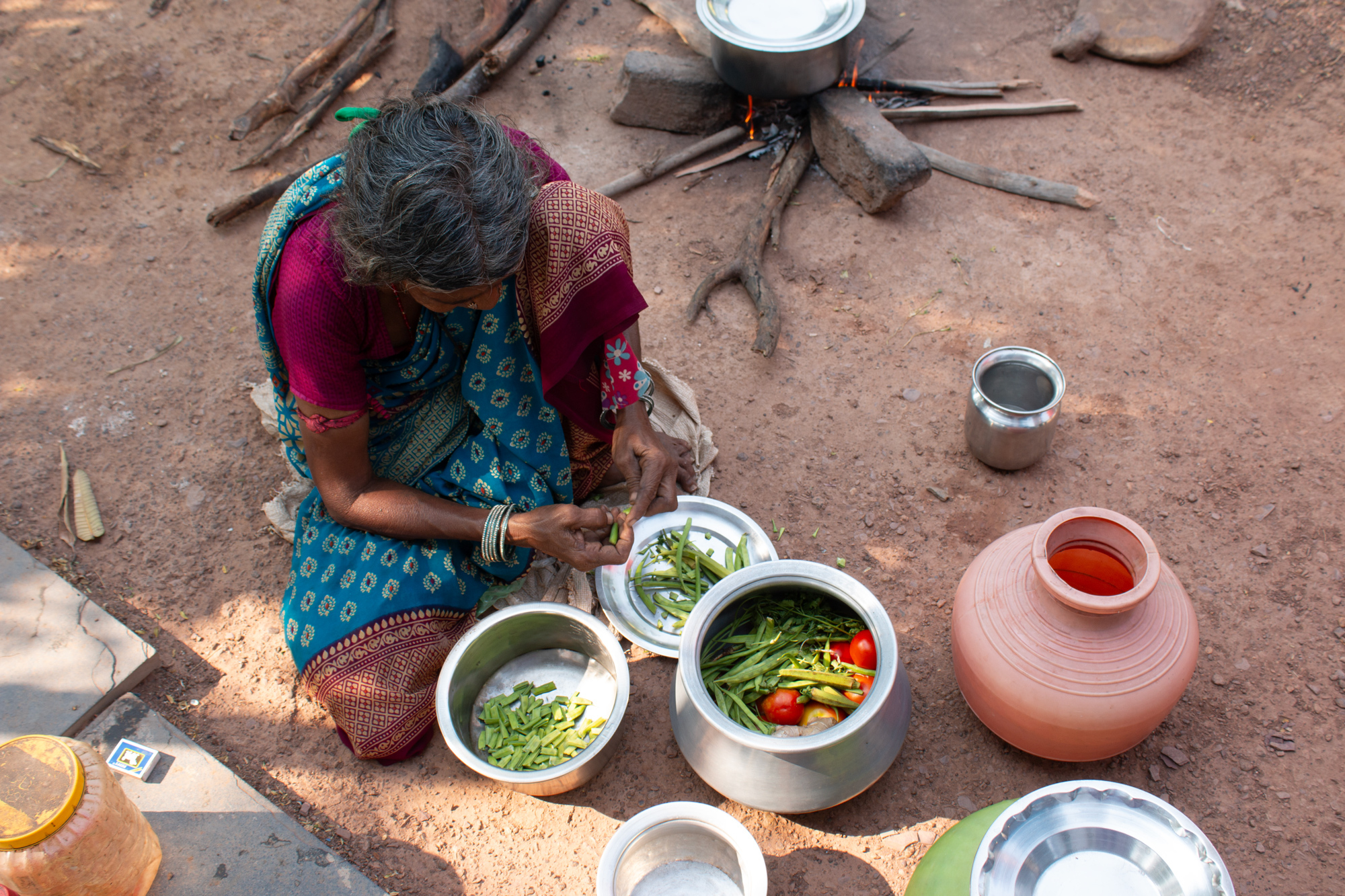
The village of Amalapuram has been part of the program for more than 9 years. Women now participate in meetings, lobby the government, and advocate for their rights. The village shows visible signs of progress – clean streets, fruit trees, and better sanitation.
What's next
Sarlapalli, a nearby village, only one year into the program, is at a very different stage. People are still cautious and uncertain, hesitant to speak up or get involved. Building relationships and fostering trust will take time.
What's changed
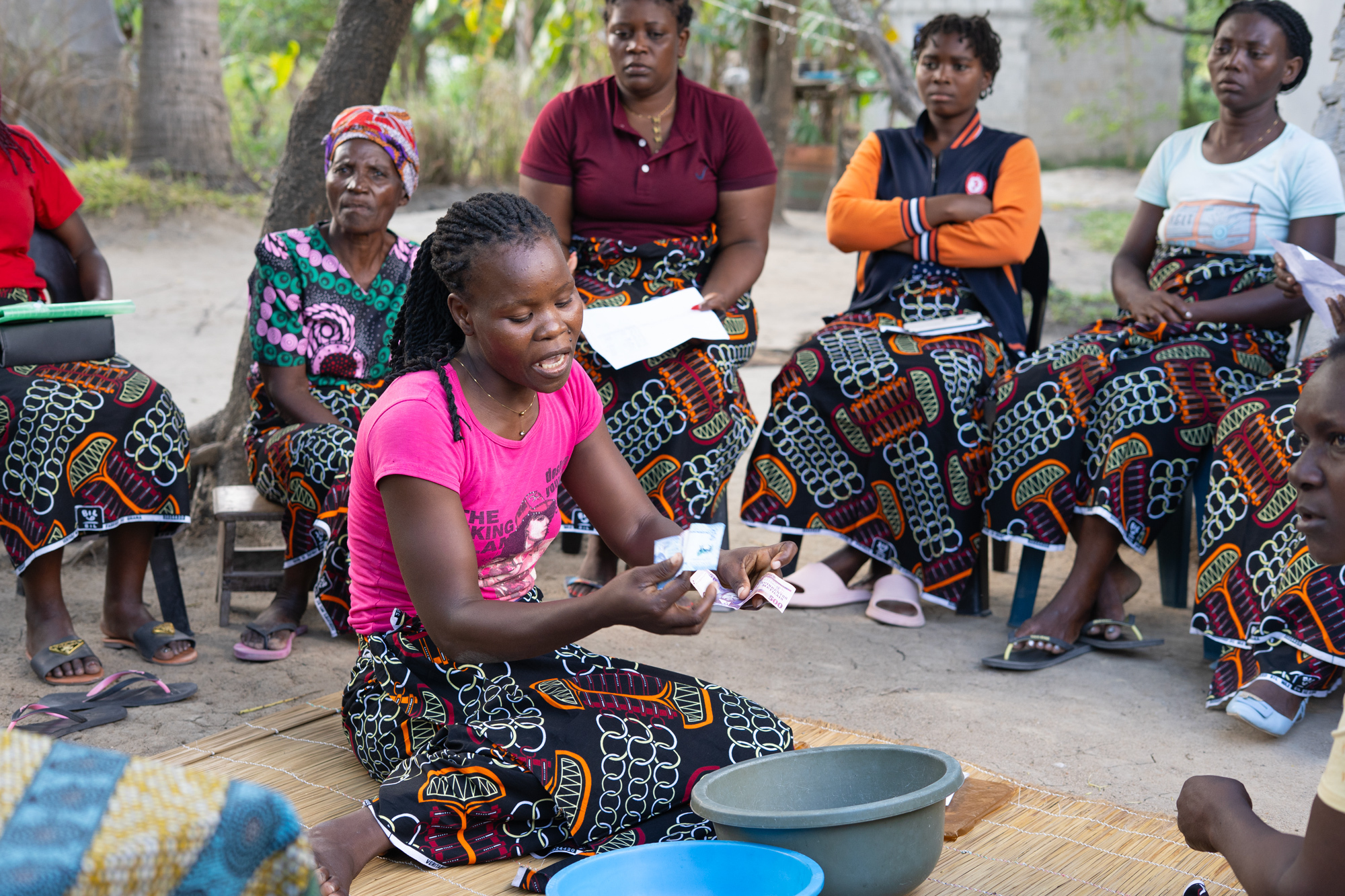
Savings groups led by local ‘mother leaders’ are pooling funds to repair homes, schools and small businesses. People are empowered to lead the change.
What's next
Complex community dynamics still hold back young women, survivors of trafficking and people facing mental health challenges. Community education and long-term support are needed to break these barriers.

Invest in sustainable solutions: Ending poverty and injustice won’t happen overnight. Monthly support allows us to plan and commit to long-term sustainable projects that’s required to truly bring about lasting change.

Your donation goes even further: Monthly giving requires less operational costs, so more of your donation goes directly to the work. And because it’s simple and flexible, you stay in control and can change or cancel anytime.

Allows us to respond rapidly: Transforming communities requires both immediate and long-term initiatives. Monthly giving means we can quickly and effectively support our partners to adapt and respond.
Equipping farmers with training in climate-resilient agriculture, access to fast-growing seeds, tools, and improved techniques. This helps families grow their own food, improve nutrition, and increase incomes.
By repairing boreholes, installing water tanks, and building toilets, our partners help communities access safe water — improving health, restoring dignity, and giving children more time for school.
Whether through adult literacy classes or pre-school early learning, our partners work to make education accessible to all, especially girls and marginalised children.
Savings and self help groups give people, especially women a way to save money, and start income-generating activities.
Empowering communities to speak up: advocating for better services, influencing local leaders, and raising their voices for justice on issues like climate change and inequality.
Because your everyday choices matter. Your wallet. Your wardrobe. Your voice. Your faith. On their own, they might seem small but together, they create movements that change the world.
That’s the power of giving monthly.
Once makes a difference. On repeat, your generosity fuels the long-term change communities need to break from poverty now and into the future.
Restorers, a growing community of 2,400+ everyday Australians, is where we see this action. Joining Restorers means choosing to do your part, chipping in, month by month, so poverty and injustice don’t have the last word.
Together, 2,400+ of Restorers are a community using everyday generosity to tackle injustice and bring restoration where it’s needed most.
Will you join us?

“I trust Tearfund. I started supporting Tearfund because of their partnership model and good development practice, and that’s the reason I keep supporting them through Restorers. I know that my regular giving makes an impact, and helps organisations like Tearfund with forward planning. It’s a key part of my discipleship: of establishing patterns of generosity and being reminded of God’s generosity in my life.”
– Ruby Watters, Tearfund Restorer

“As a follower of Jesus, I want to reflect God’s character and attributes such as faithfulness and generosity, and recognise his lordship over all of me, realising that everything I have belongs to him anyway. I give to Tearfund as a Restorer as a form of spiritual discipline to enable the broader global church to bring about justice and restoration to a broken world.”
– Andrew Hii, Tearfund Restorer

“Tearfund has helped deepen my understanding of how faith and social justice intersect. I love being able to support an organisation where Christian faith and God’s mission are at the centre of the work of fighting poverty and injustice. As a young professional, I want to start making good habits with finances now. It’s not about the amount you’re making, but the heart behind it. I know that my monthly gift through Restorers helps Tearfund work closely with local partners to bring sustainable change in hard places.”
– Jacinta Trang, Tearfund Restorer


General questions about Restorers:
When you join as a Restorer, you'll be helping where the need is greatest. Projects are selected on the following basis:
Find out more about how Tearfund works in partnership and our project guidelines.
When you join as a Restorer, your giving is allocated where the need is greatest, allowing us greater flexibility in times of crisis and emergencies. If you would like to direct your giving to a specific area you may contact us on 1800 244 986 or [email protected] and speak to a team member to discuss the options available to you.
Yes. Each donation of $2 or more is a tax-deductible donation. ABN 85 085 413 832.
As a Restorer you will automatically receive our monthly Tearfund Update email keeping you up to date on the life of Tearfund. You will also receive unique emails specifically for Restorers with information on the impact your gift is having, case studies to see the effectiveness of your gift and invitations to specific events for Restorers.
You can update your communications preferences by speaking with one of the team at Tearfund Australia on 1800 244 986 or [email protected]
Since our beginnings in the early 1970's Tearfund has had a commitment to maintaining a low cost administration. To understand how this commitment continues to this day or view our latest figures, see:
Thank you for giving a Gift A Month! While donations for the Gift A Month program also get allocated where the need is greatest, the communications that you get are different to Restorers. Should you wish to become a Restorer you are welcome to contact our team to organise this - email [email protected] or phone 1800 244 986.
General questions about Tearfund:
For more than 50 years, Tearfund has worked in the hardest places through deep, trusted relationships with local Christian partners. These partners know their communities best. They lead, we equip – ensuring change is context-specific, sustainable, and rooted in faith.
These relationships are built on trust, respect, and long-term commitment. Because our partners walk alongside their communities, the solutions they support are those identified by the community itself – priorities they are willing to lead or stand behind.
These long-term partnerships also allow us to strengthen and equip our partners in their work. And as they grow incapacity, they are better able to empower communities to lead their own change, build sustainability, and achieve their God-given potential.
Yes, you are able to set up a direct debit with us that draws money from your bank account each month instead of using a credit card. To do this please contact Tearfund Australia on 1800 244 986 or [email protected] to facilitate this.
Please contact Tearfund Australia at [email protected] or call 1800 244 986. If you are updating your credit card details, for security purposes please phone rather than email. Please note that updating details is not currently available online.
Unfortunately we aren't able to provide this functionality right now. It is something we hope to provide in the future!
For Restorers, an annual statement of giving is sent after the close of each financial year, instead of an individual receipt each time you donate. Annual statements are usually issued from mid-July and can be sent by email or post, as preferred. If you would like to check or adjust your receipt preferences, please contact our team at [email protected] or call 1800 244 986.
Tearfund uses industry-standard SSL protection. Credit card payments for regular giving are stored and processed securely by The Westpac Payway payment gateway, a Level 1 PCI Service Provider.
Unfortunately we are currently unable to take recurring payments through Paypal. Paypal donations also incur higher fees and create a bigger administrative burden for us as an organisation, which means that less of your donation goes to those who need it.
^ Figures from Tearfund Australia's annual report.